The Analog Wellness Pushback (And Why Your Wellness Brand Should Pay Attention)
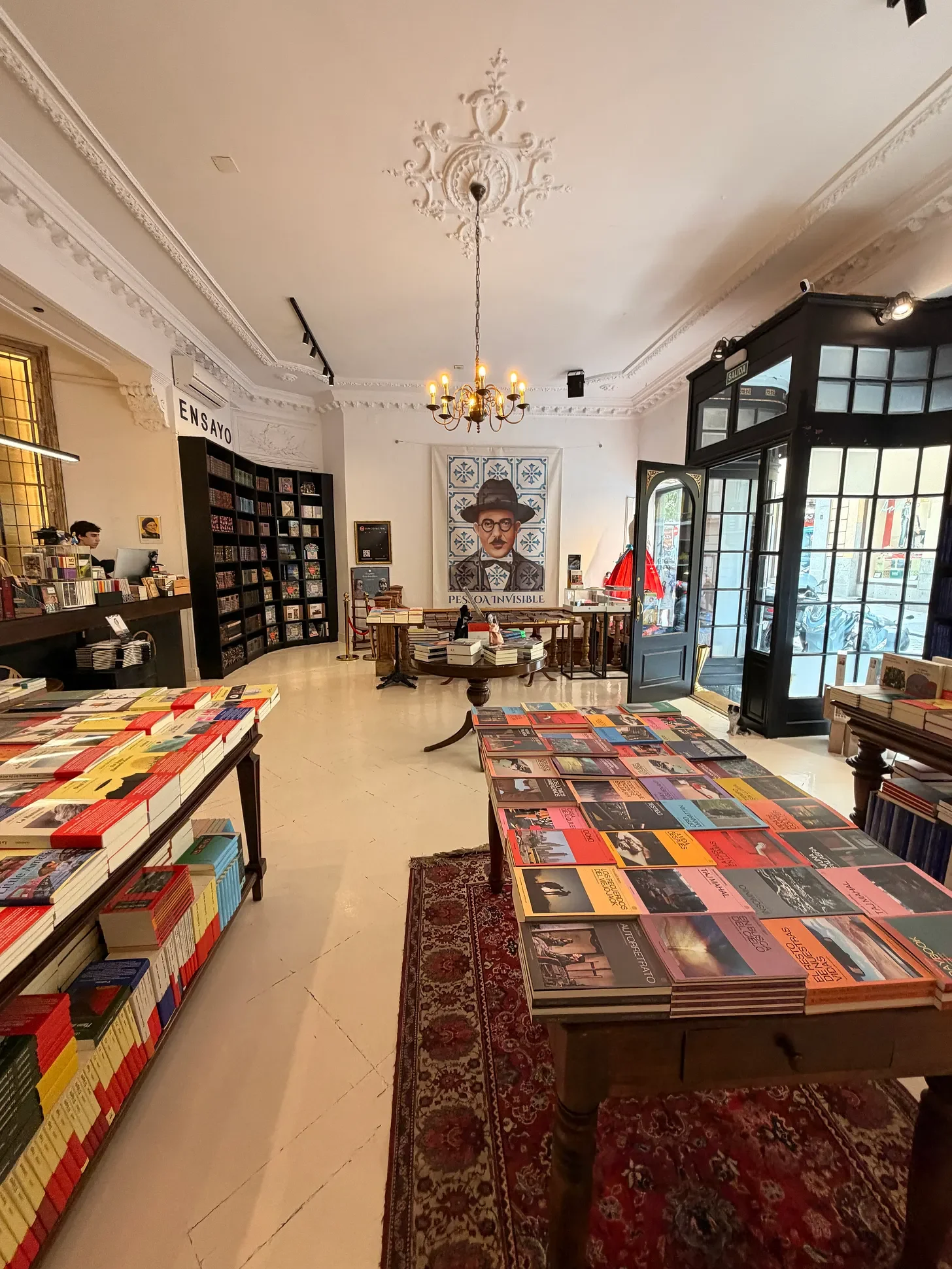
I’ve always been a reader. Since I was a tiny kid hiding under my covers with a flashlight, terrifying myself with Stephen King books until I couldn’t sleep. There was something about the physical act of holding a book, turning a page, that no screen has ever replicated for me. So when I landed in Madrid a couple of months ago and started noticing bookstores on practically every other street, something clicked.
Not just bookstores that exist. Bookstores that are alive. Busy. Curated. Loved. People lingering, actually choosing books, actually staying. It felt like a different world compared to what I’d left behind in the States, where independent bookstores have been quietly disappearing for years.
Thanks for reading! Subscribe for free to receive new posts and support my work.
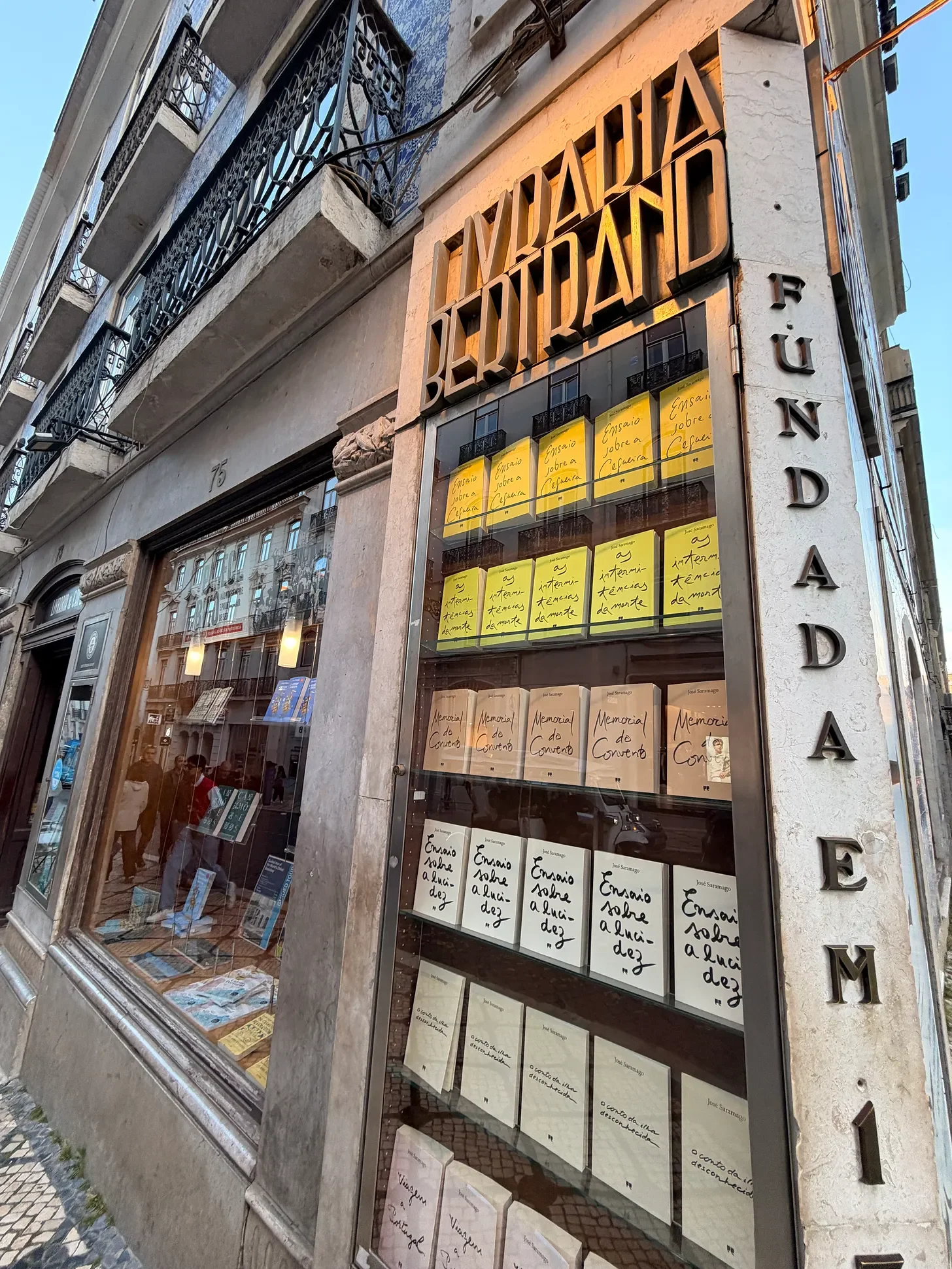
Then I touched down in Lisbon. Same thing. Bookstores everywhere. Including the oldest operating bookstore in the city, which stopped me in my tracks.
I stood there for a minute just taking it in. A bookstore that has been operating since 1732. Still open. Still full of people. In a world where we’re told physical retail is dying, this place has been going for almost 300 years.
And that’s when the pattern really hit me.
This isn’t just about books.
What I’m seeing in Madrid and Lisbon isn’t a quirk of European culture. It’s a signal. People are pushing back. Against the scroll. Against the noise. Against the endless digital everything. And they’re reaching for something physical, slow, and real.
Physical books. Independent bookstores. Vinyl records. Handwritten notes. In-person experiences. Slow rituals. These aren’t nostalgic hobbies making a quiet comeback. They’re part of something bigger. Something I’d call the analog wellness pushback.
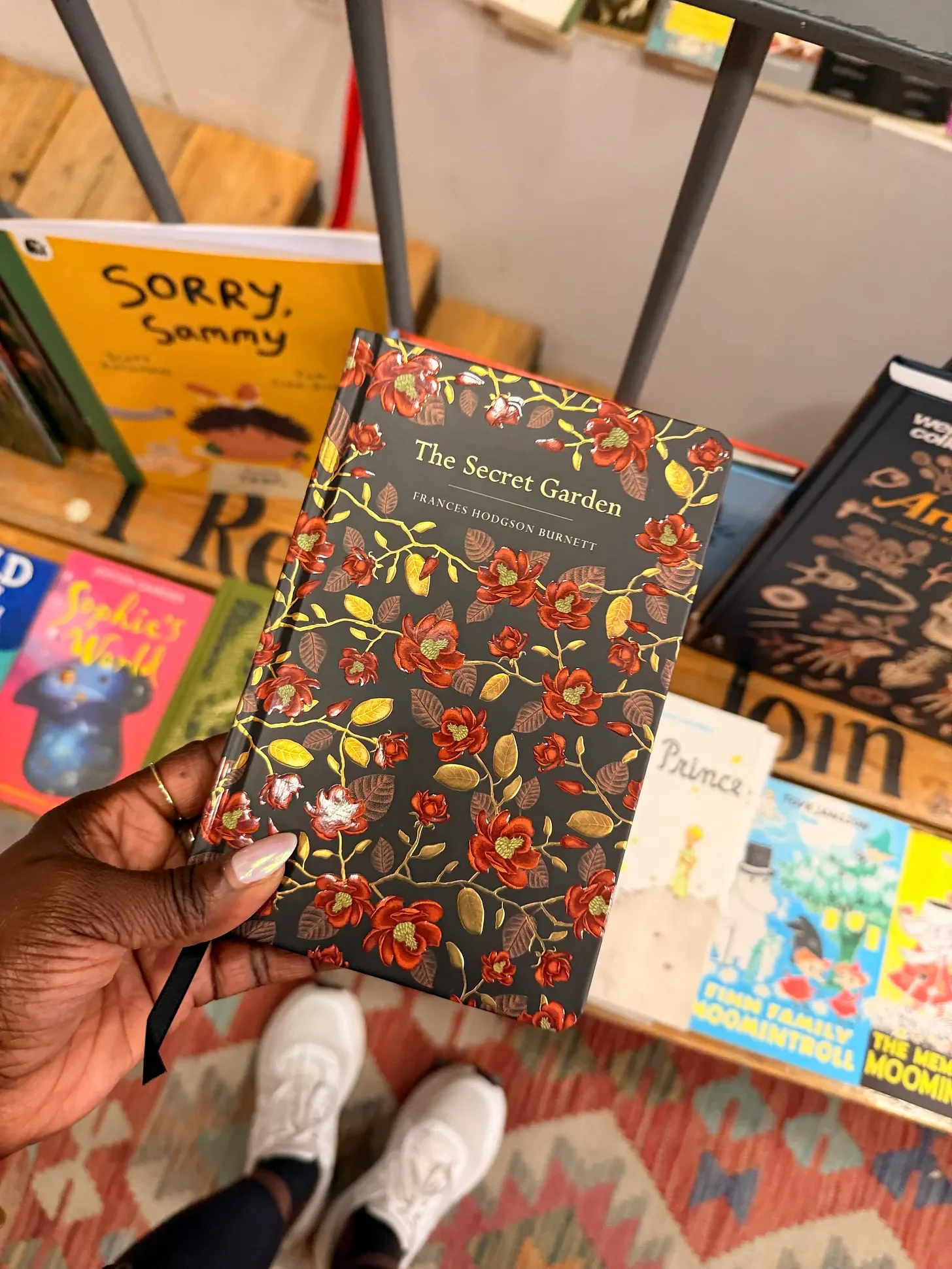
Back in the States, independent bookstores are actually making a comeback too. After years of closures, new ones are opening. People are seeking them out. Choosing them intentionally over Amazon, over Kindle, over the algorithm telling them what to read next.
That’s not a trend. That’s a cultural correction.
So what does this mean for wellness brands?
Here’s where I put my strategist hat on. Because I can’t help it. Pattern recognition is just how my brain works.
The wellness industry has spent the last decade going digital. Online courses. Digital memberships. Virtual coaching. Apps. And all of that has value. But somewhere along the way, the industry started to feel like more of the same noise it was supposed to help people escape.
Analog wellness is the correction. And the wellness brands and founders who understand this early are going to have a real positioning advantage.
I’m not talking about slapping “slow living” into your Instagram bio and calling it a day. There’s a difference between saying you’re all about slow, mindful wellness and actually positioning your business that way. One converts. One doesn’t.
I’m talking about building offers, experiences, and content that actually reflect the analog life your clients are craving. In-person workshops. Physical products. Rituals. Frameworks that slow things down instead of speeding them up. Content that feels like a breath of fresh air instead of more noise.
The market is ready. Your clients are ready. The question is whether your brand is positioned to meet them there.
Where to start.
If you’re a wellness founder or clinic owner and something about this is clicking for you, start by asking yourself one question: is there anything in my current offer suite that is inherently non-digital, slow, or physical?
If yes, that’s your entry point. That’s the thing to build around, name, and position intentionally.
If no, that’s okay too. Sometimes the analog element isn’t in the offer itself. Sometimes it’s in the experience of working with you. The way you show up. The pace you set. The rituals you bring into your client relationships.
Either way, there’s an opportunity here. And most of your competitors haven’t seen it yet.
I’m watching this unfold in real time from the streets of Madrid and Lisbon. And I can’t stop thinking about how many wellness brands are sitting on something really powerful without realizing it.
If that’s you, let’s talk. I’d love to help you figure out how to position it.
x Natasha